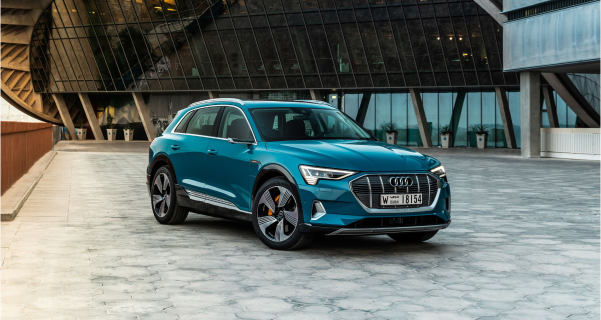
Why Drive an EV?

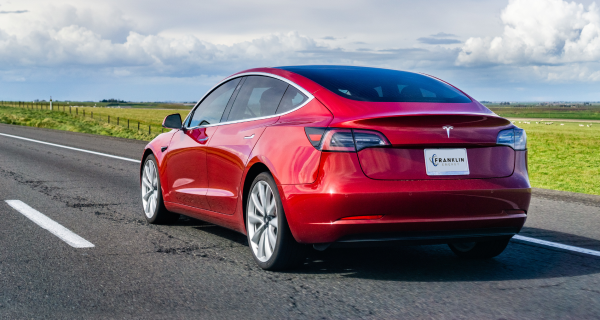
If you are thinking about your next vehicle purchase, you should consider an EV. There are now over 1.6 million EVs on the road in the U.S. and the market is booming, with 2019 sales totaling 325,000.

There are now over 175 models of electric vehicles on the road and automotive manufacturers are aggressively investing in EV technologies and rolling out new models with greater range each year. Plus, the nation’s public charging infrastructure has doubled over the past two years.

Electric Vehicles Cost Less to Drive
When you combine the fuel-efficiency of EVs and the relatively low price of electricity, driving an EV is typically three or more times cheaper than driving a gasoline-powered vehicle. In addition, lifetime maintenance and repair costs are about half, compared to gasoline-powered vehicles.
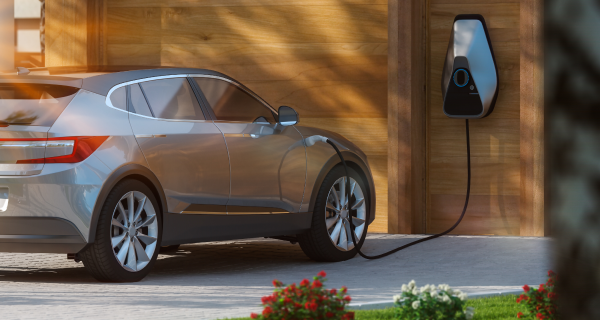
Enjoy Convenient Charging at Home
You can avoid the pumps and charge your EV at home, overnight, with a standard 120V outlet. EV owners who install a 240V (level 2) charger in their home can charge their vehicles 2-4 times faster.
Electric Vehicles are Better for the Environment
Climate scientists agree that vehicle electrification is one of the best ways to reduce greenhouse gas emissions. Depending upon your utility's generation mix, and whether you have solar or participate in a green power program, your driving carbon footprint could essentially be zero.
Electric Vehicles are High Performance Vehicles
EVs offer fast, smooth acceleration, with most going from zero-to-sixty mph in under 8 seconds (some in under 3 seconds). According to Consumer Reports, EVs are even more reliable than cars powered by internal combustion engines. That's because EVs are inherently less complicated, with fewer moving parts to break.
Electric Vehicle Driving Range is High and Growing
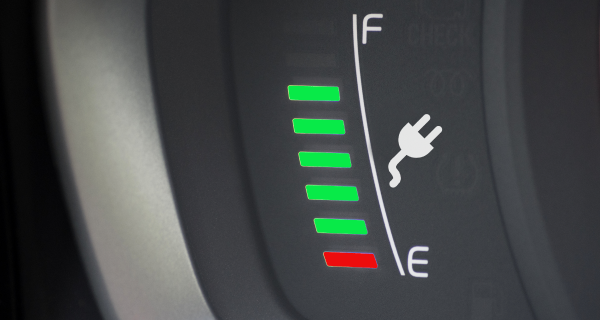
Americans drive an average of 40 miles a day, according to the U.S. Department of Transportation. Median all-electric vehicle range grew from 73 Miles in model year 2011 to 258 miles in model year 2020, with some models reaching over 300 miles per charge.
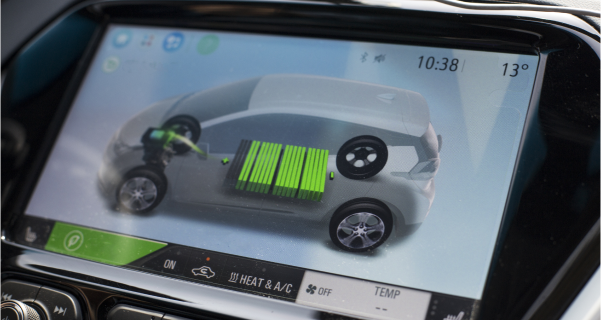
All-Electric, or Battery Electric Vehicles, utilize an electric motor powered by a high-performance battery and do not use gasoline.
There are two kinds of electric vehicles. Some have only an electric motor, while others have both an electric motor and a gas-powered engine.
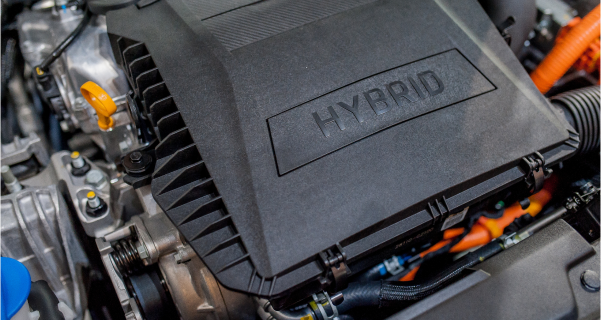
Plug-in Hybrid Electric Vehicles have both a traditional gasoline engine and an electric motor that must be plugged-in for charging.
The electric batteries for PHEVs are smaller and provide a lower electric-only driving range than all-electric vehicles. These vehicles utilize their electric motor first, until the available charge is depleted, then the vehicles switch, automatically, to their fuel-combustion engine.
Range is the number of miles an EV can run on its electric motor, before being recharged.

Most Americans drive less than 40 miles per day. The median driving range for model year 2020 electric vehicles was 258 miles, so, most Americans driving an all-electric vehicle can go multiple days without recharging.

The longest-range model 2020 EVs include Tesla's Model S Long Range Plus (416 miles) and Model 3 Long Range Performance (332 Miles), the Hyundai Kona (258 miles), and the Chevrolet Bolt (259 miles).

It's important to remember that EV driving range estimates are based on performance achieved under strictly controlled laboratory conditions. For the vast majority of EVs, range is higher for city, verses highway driving, as consumption increases at higher speeds. Daily driving routines can vary widely. It's best to choose a vehicle that can go the longest distance that you can afford.
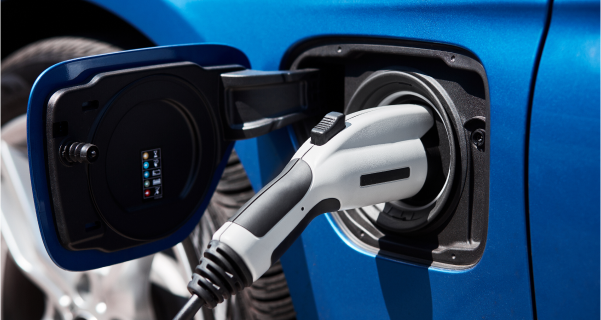
Charging your EV requires plugging into a wall plug or an electric vehicle charger.

Charge time depends upon the power source and the vehicle's charger capacity. Every EV has a its own battery charger that converts the AC electricity from the wall into DC, to charge the battery. A vehicle with a 10 kW charger and a 100-kWh battery pack takes approximately 10 hours to charge. Alternatively, a DC "fast charger" can charge to 80% capacity in about 30 minutes.
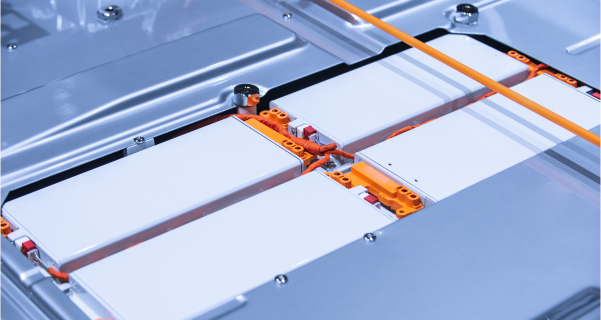
A properly cared-for electric vehicle battery can be expected to last 100,000 miles.
EV lithium-ion battery packs are covered under warranty by all automakers for at least eight years, or up to 100,000 miles. Higher mileage extended warranties on electric vehicle batteries are also available with many manufacturers. Rather than suddenly failing, EV batteries slowly lose their ability to maintain a full charge over time. Recent studies have shown that 92% of battery capacity and range is retained after 100,000 miles for one of the best-selling EVs currently on the market.
Charging your EV requires plugging into a wall plug or an electric vehicle charger.

Charge time depends upon the power source and the vehicle's charger capacity. Every EV has a its own battery charger that converts the AC electricity from the wall into DC, to charge the battery. A vehicle with a 10 kW charger and a 100-kWh battery pack takes approximately 10 hours to charge. Alternatively, a DC "fast charger" can charge to 80% capacity in about 30 minutes.

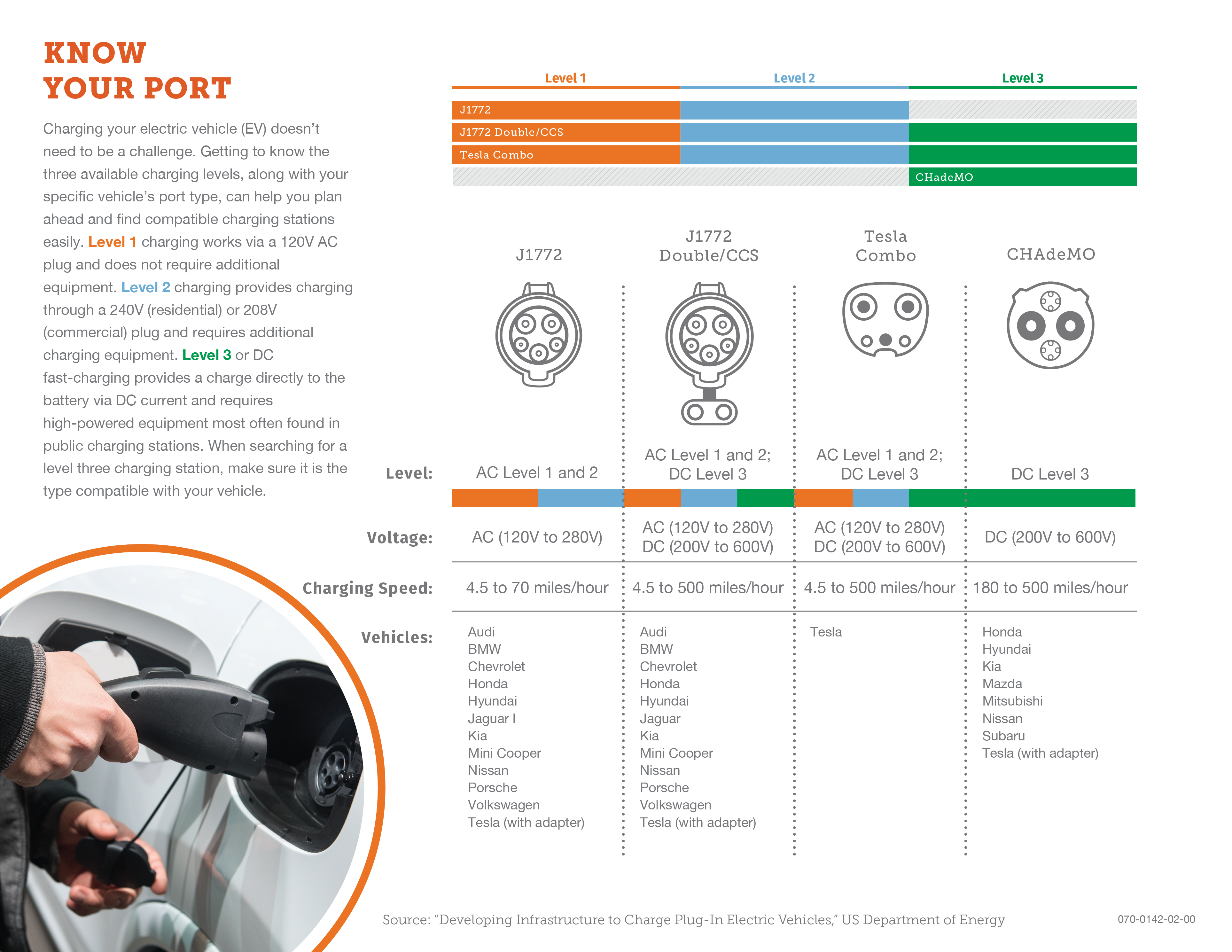
There are three major categories of chargers, based on the amount of power the charger can provide:

Level 1

This is the charging option that comes "standard" for most EVs. Charging occurs via a standard 120 V AC plug and does not require additional charging equipment. A Level 1 charger adds 2 to 5 miles of range per hour of charging, on average.

Level 2

Provides charging through a 240 V AC plug and adds 10 to 60 miles of range per hour of charging. This option requires the installation of an advanced EV charger and a dedicated 240 V circuit in your electric panel. You'll need to schedule installation by a licensed electrician/installer.

DC Fast-Charge

DC Fast-Charging, available at public charging stations, allows for much higher charging speeds because DC power is delivered directly to the electric vehicle's battery at higher power levels. A 50 kW DC fast charger can deliver 27 miles of range in about 10 minutes. In order to use a DC fast charger, your vehicle must have one of the three types of fast charging ports: CHAdeMO, CCS or Tesla. Not all plug-in hybrid electric vehicles can use a DC Fast charger.