
A level two (240v) charger offers much faster charging at home. While the 120v electric outlet charger that comes standard with most Plug-in All-Electric and Plug-in Hybrid Electric vehicles provides 2-5 miles of range per hour, a level two charger works up to nine-times faster – giving you 10-20 miles of range per charging hour.
This also allows you to potentially save money on your electric bill by charging your vehicle at strategic times when electrical demand is lower. You can take advantage of lower rates during the night, which helps to maximize the savings on an already energy efficient vehicle.
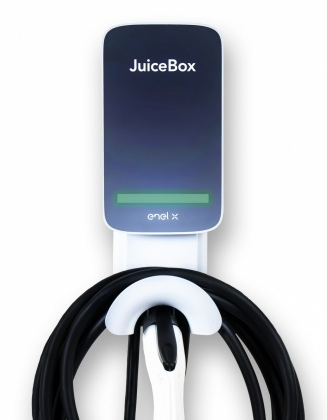
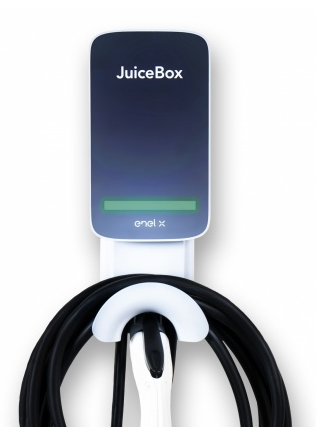
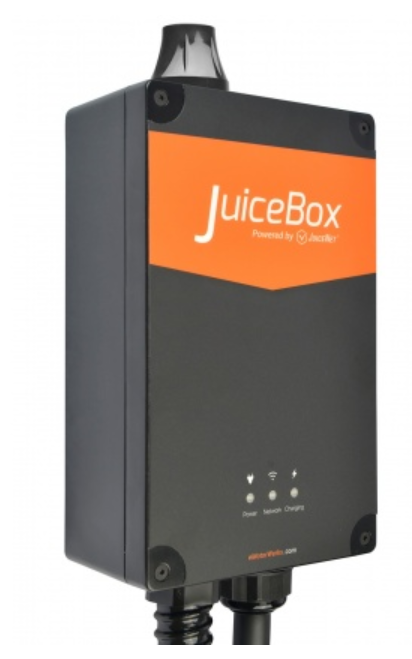
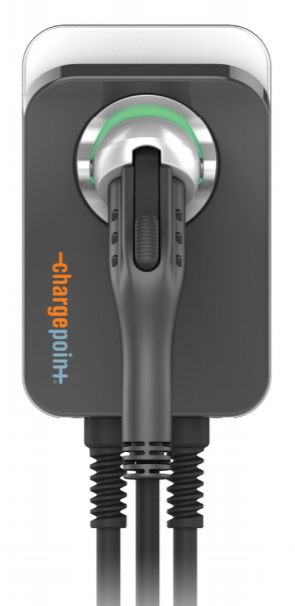
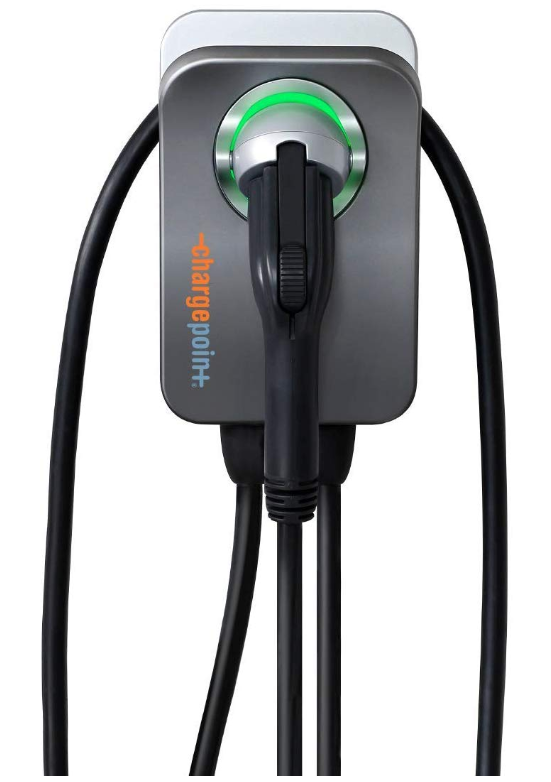
This rebate is available for the installation of an EV charger installed on or after January 1, 2020 The charger must be a qualifying, wi-fi connected model, installed where electricity is supplied by <Utility> and enrolled in our EV Managed Charging program. Installation of your EV charger must be completed by a certified electrician. This rebate program is subject to change or cancellation without notice. Limit one EV Rebate/Charger per customer.
Fueling a vehicle with electricity is already much cheaper than gasoline or diesel. But for even greater savings, try our Plug-in Electric Vehicle rate. This rate offers lower prices from 11 p.m. – 7 a.m. to encourage nighttime EV charging.
You pay less for charging your electric vehicle during Super Off-Peak or Off-Peak periods.
This period is from 11 p.m. to 7 a.m. every day of the year and it has the lowest prices. It’s cheapest to produce electricity during these hours so the savings are passed on to you.
From June through September, this period is from 7 a.m. to 2 p.m. and 7 p.m. to 11 p.m. during weekdays, and 7 a.m. to 11 p.m. during weekends. For all other months, this period is from 7 a.m. to 11 p.m. Prices during this period are higher than the Super Off-peak time period, but much lower than the On-peak time period.
Although the On-peak period has the highest prices, only about 5% of the hours during a year fall in this period. This period includes hours from 2 p.m. to 7 p.m., June to September, and represents the time when it’s most expensive for Georgia Power to produce electricity.